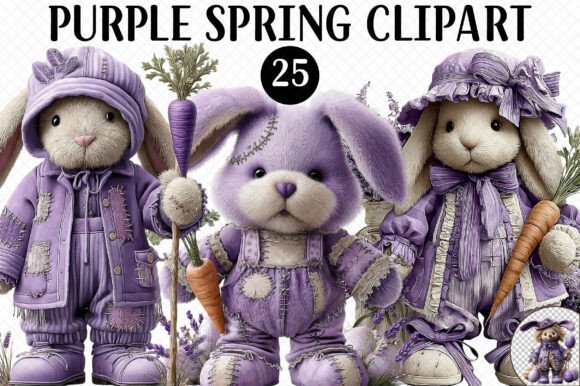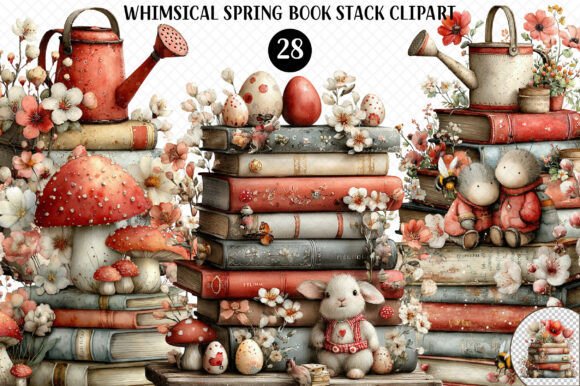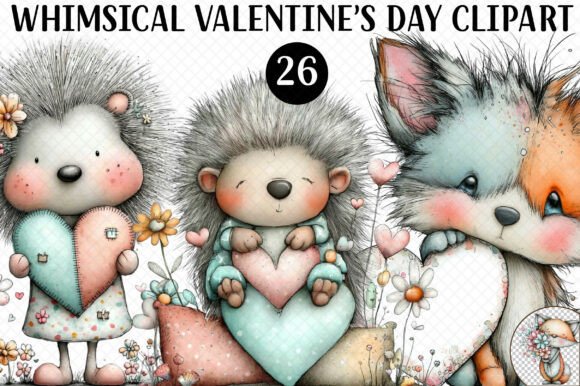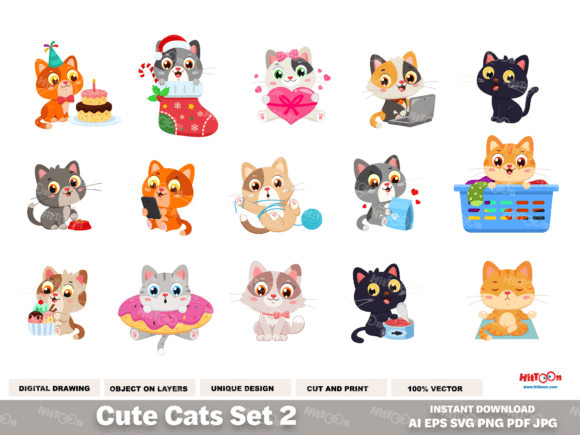
Watercolor Spring Clipart: A Designer's Reality Check
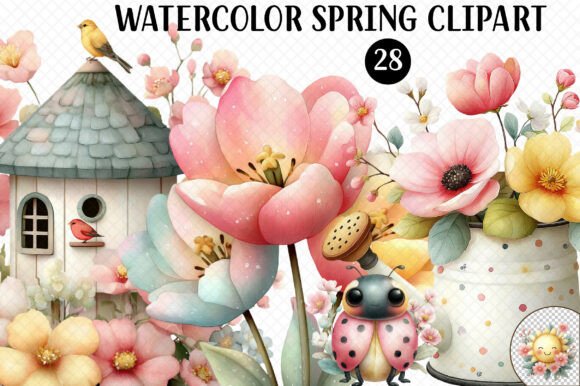
As a designer who has spent years navigating the intersection of digital art and physical stitching, I approach every new asset with a critical eye. When I first opened the files for Watercolor Spring Clipart, my initial reaction was one of visual delight. The soft gradients, the organic bleeding of colors, and the fresh, airy mood are exactly what we crave when planning spring collections. However, the moment I read the product description stating these are PNG files designed specifically for Sublimation projects or for printing and explicitly NOT SVG files, my practical brain kicked into gear. This is not a standard machine embroidery design file, and understanding that distinction is vital before you commit to any project.
The Visual Appeal vs. The Stitching Reality
Let's be clear about what this asset offers. As part of the Illustrations category, these graphics capture the ephemeral beauty of watercolor perfectly. They are ideal for creating printable mockups, designing digital product previews, or sublimating onto polyester blanks. But if you are an Etsy seller or a small shop owner looking to use this as a direct machine embroidery design, you hit a wall immediately. You cannot simply load a PNG into your embroidery software and expect it to stitch. There is no vector data, no path information, and no layered elements to separate for color changes.
If you are determined to turn this into a finished product involving thread, you must treat these images as reference art. You would need to manually trace the outlines in your digitizing software to create a true embroidery file. This process requires significant skill. The delicate edges of a watercolor wash do not translate well to standard fill stitch or satin stitch without careful manipulation. Attempting to digitize the soft, blurred edges of Watercolor Spring Clipart directly often results in jagged, pixelated-looking stitches that ruin the artistic intent.
A Real-World Scenario: The Custom Tote Bag Project
Imagine you are preparing a line of custom apparel for a local craft fair. You envision a beautiful canvas tote bag featuring a blooming spring flower from this collection. If you were to print this using sublimation on a white polyester blend tote, the result would be stunning. The colors would bleed naturally, mimicking the original painting, and the handmade product would look professional and high-value.
However, let's say you decide to embroider it instead because your customers prefer the texture of thread. Without converting the image first, you might try to import the PNG directly. Your machine will likely fail, or worse, produce a solid block of color that looks nothing like the intended watercolor effect. Even if you hire a digitizer, capturing that specific "wet paint" look in thread is incredibly difficult. The stitch density required to mimic a gradient can make the fabric pucker, especially on a thin tote bag material. The final tote bag design might end up looking stiff and heavy, losing the lightness that made the graphic attractive in the first place.
Navigating Fabric and Hoop Constraints
For those who do manage to digitize this style, or for those considering similar Graphics for actual stitching, there are specific limitations to consider. Watercolor styles rely on transparency and blending. In embroidery, we achieve this through layering different thread colors and varying the opacity of the fill, which increases the risk of puckering on textured fabrics.
- Fabric Choice: These designs work best on stable, medium-weight fabrics. Avoid using them on stretchy fabric like jersey or very thin materials like chiffon unless you use a heavy-duty stabilizer. The complexity of the design demands a firm foundation.
- Hoop Size: Do not attempt to shrink these designs for small hoops. The subtle details in Watercolor Spring Clipart will vanish in a 4x4 hoop. You need ample space to allow the needle to build up the necessary layers for the color transitions.
- Dark Fabrics: While the description mentions printing, if you are adapting this for embroidery on dark garments, you will need an underlay strategy that differs significantly from the original transparent background. A simple white underlay might flatten the vibrant spring tones.
Where It Shines: Patches and Applique
One viable route for this aesthetic is the applique design method. Instead of trying to stitch the watercolor effect with thread alone, you could cut the shape out of a printed fabric (using the PNG for sublimation) and then stitch around the edges with a decorative border. This hybrid approach allows you to keep the authentic watercolor look while adding the durability and texture of embroidery. This works exceptionally well for embroidered patches or as a focal point on a sweatshirt embroidery project.
For holiday gifts or wedding gifts, this technique creates a unique, high-end feel. Imagine a pillow cover where the central motif is a sublimated watercolor flower framed by hand-stitched or machine-satin borders. It bridges the gap between digital art and tactile craftsmanship, offering a personalized gift that stands out in a sea of standard embroidered logos.
Practical Notes for the Craft Business Owner
Before integrating Watercolor Spring Clipart into your workflow, you must verify your licensing. The product description states these are for Sublimation or printing. It does not explicitly grant rights for commercial embroidery sales of the digitized version. As a commercial embroidery provider, you must confirm whether you are allowed to sell finished items if you have manually traced the design. Many licenses restrict the resale of modified digital assets.
Always test your concepts on scrap fabric first. If you are experimenting with digitizing this style, check the running stitch count and ensure the design assets do not cause excessive thread breaks. Review the stitch density carefully; too much thread in a small area will distort the fabric, making your craft business look unprofessional.
Finally, consider the customer experience. If you market a product as having a "watercolor embroidered look," your client expects a soft, blended finish. If they receive a stiff, heavily stitched patch that looks more like a logo than a painting, their trust in your brand will suffer. Use Watercolor Spring Clipart for what it is: a beautiful digital illustration for printing and sublimation. If you want to bring it to life with thread, respect the medium by choosing the right technique, such as applique, rather than forcing a square peg into a round hole.
Final Thoughts on Value and Presentation
In the world of digital product sellers and creative entrepreneurs, versatility is key. Watercolor Spring Clipart delivers immense value for print-on-demand businesses, small shop merchandise like tea towels, and nursery decor prints. It elevates the visual appeal of finished products instantly. However, for the pure embroidery enthusiast, it serves better as inspiration than a ready-to-stitch file. By understanding these boundaries, you can leverage the beauty of these Graphics without compromising the quality of your handmade work.