Whimsical Spring Book Stack Clipart Review
As a designer who has spent years navigating the intersection of digital art and physical thread, I approach every new asset with a critical eye. My goal is always to determine if a graphic can survive the translation from a crisp screen image to a textured, stitched reality. Today, I am evaluating the Whimsical Spring Book Stack Clipart. At first glance, this set of Graphics exudes a charming, literary vibe perfect for the season. However, before I commit to using it on a client's custom tote bag or my own Etsy shop inventory, I need to understand its limitations and potential in an embroidery context.
The First Impression: Mood and Visual Personality
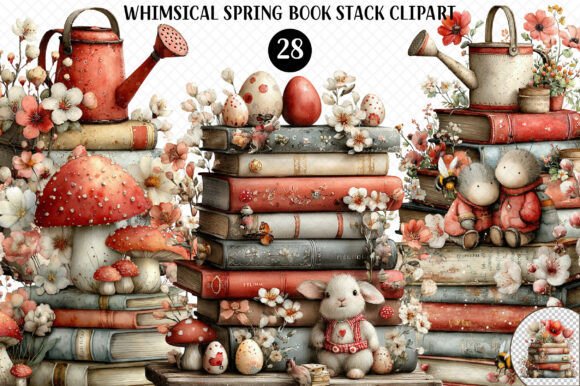
The Whimsical Spring Book Stack Clipart immediately evokes a sense of cozy nostalgia. The illustration style features soft curves, blooming florals, and a stack of books that feels inviting rather than rigid. For a craft business owner looking to create handmade products that appeal to book lovers, teachers, or librarians, the thematic fit is undeniable. The color palette suggests freshness, making it ideal for spring collections or graduation gifts.
However, there is a crucial detail in the product description that changes everything about how I would use this asset. These are PNG files designed specifically for Sublimation projects or for printing. They are explicitly stated as NOT SVG files and not layered. This means that while the visual appeal is high for print-on-demand or sublimation transfers, they are not native machine embroidery designs.
For an embroidery enthusiast, this distinction is vital. If you are planning to use this as a direct embroidery file, you cannot simply load it into your machine. You would need to trace the design manually or use digitizing software to convert the raster PNG into a stitchable format. This extra step requires significant skill to ensure the final finished product retains the whimsical charm without becoming a muddy mess of thread.
Real-World Application: From Screen to Stitch
Let’s imagine a real-life scenario. I am preparing a batch of custom embroidered tote bags for a local bookstore's spring sale. The concept is simple: a stack of books with flowers spilling out, stitched onto natural canvas. If I were to attempt to digitize the Whimsical Spring Book Stack Clipart for this project, I would face immediate challenges regarding detail level.
In the original Illustrations, the flower petals and book spine details are likely rendered with fine lines and subtle gradients. In embroidery, fine lines often require satin stitch, which can be tricky on uneven surfaces like canvas tote bags. If the design is too dense, the stitch density might cause the fabric to pucker, ruining the drape of the bag. Conversely, if I try to simplify it too much using only fill stitch, I might lose the delicate "whimsical" quality that makes the design special.
For a small shop product like a sweatshirt, the placement matters immensely. A large, detailed version of this book stack could look stunning on the back of a hoodie, provided the digitizer uses appropriate underlay and stabilizer techniques to prevent shifting. However, for smaller items like caps or baby clothes, the intricate details of the book stack might disappear entirely. On a curved surface like a cap, the sharp corners of the book spines could distort, leading to a professional finish that falls short of expectations.
Where This Design Shines and Where It Struggles
While the Whimsical Spring Book Stack Clipart is beautiful, it is best suited for specific applications where detail can be preserved or simplified effectively.
- Ideal for: Large hoop projects on stable fabrics like pillow covers, tea towels, or flat-lay aprons. Here, you have enough space to maintain the integrity of the illustration.
- Risky for: Small hoop sizes, stretchy fabrics like jersey knits, or dark fabrics where light thread colors might not show up clearly without extensive backing.
- Best Use Case: As a reference for creating a custom embroidered patch. By tracing the main shapes and simplifying the interior details, you can create a bold, recognizable patch that captures the essence of the clipart without the risk of tiny stitches breaking.
Practical Designer Notes for Commercial Use
If you are an Etsy seller or a creative entrepreneur considering this asset for your business, you must proceed with caution. Since these are PNGs intended for printing or sublimation, you do not receive a ready-to-stitch digital embroidery file. Before purchasing, ask yourself if you have the time and technical skills to digitize the artwork.
Here is my practical checklist for converting this type of graphic into a viable embroidery project:
- Test on Scrap Fabric: Never stitch directly onto your final product. Create a test run on scrap material similar to your target fabric to check for puckering and thread tension.
- Check Thread Color Contrast: Ensure the colors in the book stack and flowers will pop against your chosen background. Subtle pastels might get lost on grey or navy fabrics.
- Review Stitch Density: When digitizing, avoid overstuffing the design. Leave breathing room between the books and flowers to allow the fabric to move naturally.
- Confirm Hoop Size: Measure the bounding box of the design. If it exceeds your machine's maximum hoop size, you may need to split the design, which can affect the alignment of the book stack.
- Inspect Small Details: Tiny text on book spines or minute leaf veins often fail in embroidery. Simplify these elements to larger shapes or remove them entirely for a cleaner look.
- Use Proper Stabilizer: Given the likely complexity of the converted design, a cut-away stabilizer is often necessary to support the weight of the stitches, especially on heavier fabrics like denim or canvas.
Impact on Brand Consistency and Customer Trust
Using high-quality visuals is essential for building a brand, but the execution is what builds trust. If a customer buys a personalized gift expecting the crisp, clean look of the Whimsical Spring Book Stack Clipart and receives a tangled, distorted version due to poor digitization, their perception of your craft business suffers.
On the other hand, if you take the time to properly adapt these design assets—perhaps by creating a stylized, simplified version that honors the original mood but respects the mechanics of thread—you can create a unique custom apparel item that stands out. The key is managing expectations. Be transparent with your clients about the process. Explain that while the original art is a PNG for printing, your version is a hand-digitized masterpiece tailored for stitching.
Final Verdict: A Beautiful Reference, Not a Ready File
The Whimsical Spring Book Stack Clipart is a delightful addition to any library of Illustrations and Graphics. Its aesthetic is perfectly timed for spring markets and literary-themed events. However, it is not a plug-and-play solution for embroidery machines. It serves better as a source of inspiration or a base for advanced digitizers willing to put in the work.
For the hobbyist or small business owner, I recommend using this design primarily for sublimation or printing unless you are confident in your ability to translate raster images into high-quality stitch files. If you do choose to embroider it, prioritize simplicity over perfection. Focus on the overall shape of the book stack and the general flow of the flowers. By doing so, you can create a holiday embroidery piece or a boutique branding element that feels both professional and deeply personal.
Remember, the best embroidery project isn't just about the design; it's about understanding the medium. Whether you are selling commercial embroidery services or crafting handmade products for friends, always test, stabilize, and refine. That is how you turn a simple PNG into a treasured, stitched memory.