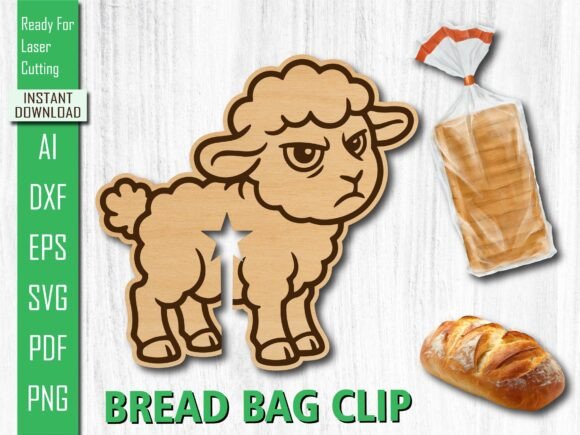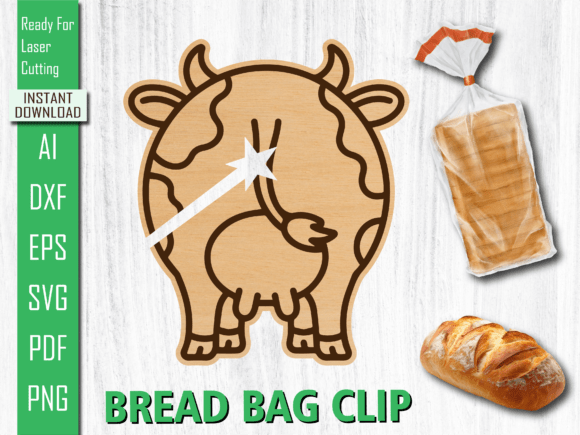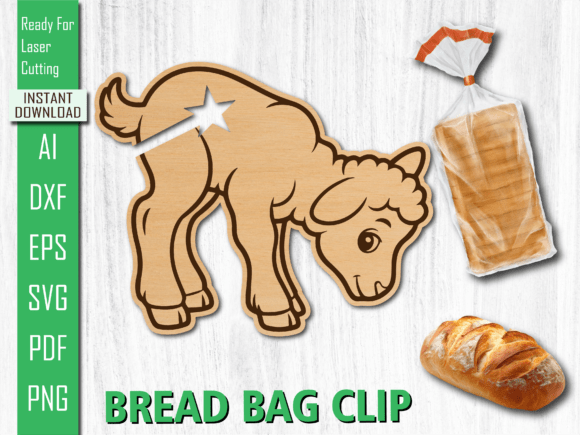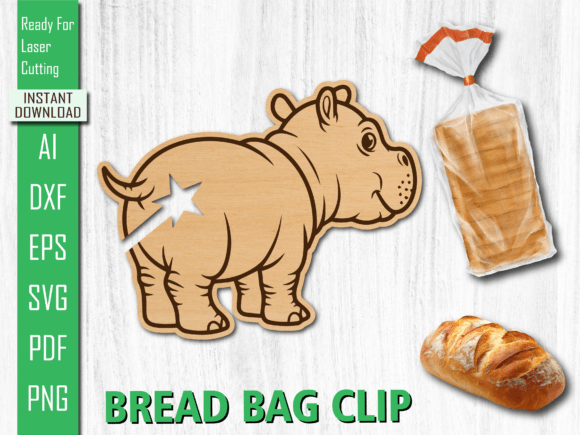
Sea Animal Laser Turtle Bread Bag Clip Review
As a designer who has spent years navigating the intersection of digital assets and physical craftsmanship, I approach every new design with a critical eye. We often get caught up in the aesthetic appeal of a file, forgetting to ask how it translates into a tangible product. When I first encountered the Sea Animal Laser Turtle Bread Bag Clip, my initial reaction was a mix of amusement and curiosity. This is not a standard embroidery pattern you would find in a traditional catalog. It belongs to the category of Other Art Amp, specifically designed for Laser Cutting. However, as someone who frequently explores hybrid techniques—combining laser-cut elements with machine embroidery—I found myself immediately wondering how this playful concept could be adapted or integrated into real-world textile projects.
The First Impression: Humor Meets Functionality
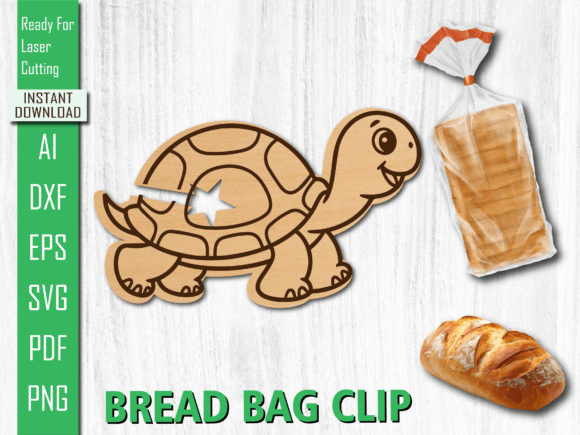
The premise of this design is simple yet effective: add a pinch of humor to your kitchen organization. The image of a sea turtle acting as a bread bag clip is inherently whimsical. In the world of design, functionality often clashes with personality, but here they seem to coexist. For an embroidery designer, the challenge lies in translating this "funny bread clip" concept into a stitched reality. If we were to adapt this into a machine embroidery design, the focus would shift from the structural integrity required for laser cutting to the visual texture created by thread.
The mood it creates is lighthearted and nostalgic. It evokes a sense of domestic joy, perfect for a kitchen towel, an apron, or perhaps a decorative pillow cover. The layout is compact, which suggests it would work well within smaller hoop sizes. However, because the original intent is for CNC machines, the lines are likely crisp and geometric. Translating that into fill stitch and satin stitch requires careful consideration of stitch density to ensure the turtle's features remain distinct and do not become muddy blobs of thread.
A Real-World Scenario: The Boutique Kitchen Collection
Let me paint a picture of a practical application. Imagine you are running a small craft business on Etsy, specializing in personalized home goods. You decide to launch a limited edition "Kitchen Whimsy" collection. Instead of selling the laser-cut plastic clip itself, you create a premium handmade product: a high-quality linen tea towel featuring an embroidered patch of the sea turtle holding a slice of bread.
In this scenario, the Sea Animal Laser Turtle Bread Bag Clip serves as the inspiration for the embroidery file. You would need to digitize the concept carefully. The shell of the turtle offers a great opportunity for textured fill stitch, while the legs and head could utilize satin stitch for definition. Customers reacting to this item wouldn't just see a towel; they would see a conversation starter. It transforms a mundane kitchen task into a moment of delight. This kind of personalized gift has high value because it combines utility with a unique narrative that mass-produced items lack.
Adapting for Custom Apparel and Patches
Beyond kitchen linens, consider the potential for custom apparel. A small shop owner might want to create a series of tote bags or sweatshirts for a beach-themed event. Placing a simplified version of this turtle design on the chest of a canvas tote bag or the back of a crewneck sweatshirt could be incredibly effective. The key here is scaling. Because the original design is meant to be a functional clip, it is relatively small. When converting this to a tote bag design, you must ensure the details don't get lost. Tiny lettering or intricate patterns in the original vector might need to be simplified for commercial embroidery to prevent thread breakage and maintain clarity.
If you opt to create an embroidered patch instead, the constraints are even tighter. The backing material needs to be sturdy, and the edge stitching must be clean. This is where the "Laser Cutting" origin becomes relevant; the sharp edges of the original design translate well to the precise cut of a felt or twill patch. An applique design technique could also work wonders here, using fabric shapes for the turtle's body and stitching the details on top, adding depth and dimension to the finished product.
Navigating Technical Challenges
While the concept is charming, applying it to real textiles comes with specific challenges. As a reviewer, I must advise caution regarding certain materials and conditions. If you attempt to use this design on textured fabrics like heavy denim or thick wool, the fine details of the turtle might disappear. Similarly, on stretchy fabric or thin jersey, the tension required for embroidery could distort the shape, making the turtle look warped rather than cute.
Dark fabric presents another hurdle. The playful nature of the design relies on visibility. Without proper thread colors contrast or a backing stabilizer, the design may fade into the background. Always test the design on scrap fabric first. Check whether the running stitch outlines hold up against the density of the fill. If you are working on curved surfaces like caps, the flat geometry of a bread clip design might struggle to conform without significant re-digitizing.
Furthermore, products that undergo frequent washing, such as dish towels or aprons, require robust construction. Ensure that the stitch density is sufficient to withstand agitation but not so dense that it puckers the fabric. Using the right stabilizer is non-negotiable here. A tear-away might suffice for a pillow cover, but a wash-away or cut-away is essential for items that will be laundered regularly.
Design Assets and Business Viability
For the Etsy seller or creative entrepreneur, the question remains: does this design add value? Absolutely, if executed correctly. The Sea Animal Laser Turtle Bread Bag Clip taps into the current trend of quirky, functional decor. It stands out in a sea of generic floral or typographic designs. When creating printable mockups or digital product previews, highlight the humor and the utility. Show the design in context—clipped onto a loaf of bread (if using the laser version) or embroidered on a cozy kitchen setting.
However, before selling finished items or offering this as a digital embroidery file, you must confirm licensing. Just because a design is available for laser cutting does not automatically grant permission to digitize it for embroidery and sell the resulting files or products. Check the terms of use for the design assets. If the license allows commercial use, you have a viable path forward. If not, use the concept as inspiration to create your own original interpretation.
Final Designer Notes
To summarize, the Sea Animal Laser Turtle Bread Bag Clip is a delightful concept that bridges the gap between industrial manufacturing and handmade charm. Its transition from a laser-cut object to an embroidery project requires skillful adaptation. Focus on maintaining the character of the turtle while respecting the limitations of thread and fabric.
Remember to:
- Test the design on various fabric types to ensure visual appeal and durability.
- Adjust thread colors to maximize contrast against different backgrounds.
- Review stitch density to avoid bulkiness, especially on smaller items.
- Confirm hoop size compatibility before starting a large batch.
- Inspect small details to ensure they translate clearly from vector to stitch.
- Verify licensing terms before launching any craft business merchandise.
By treating this design with the respect it deserves and understanding its technical requirements, you can create a small shop product that brings genuine joy to customers. Whether it ends up as a laser-cut clip or a stitched masterpiece, the Sea Animal Turtle proves that a little humor goes a long way in the world of design.