Animal Laser Cut Sheep Bread Bag Clip Review
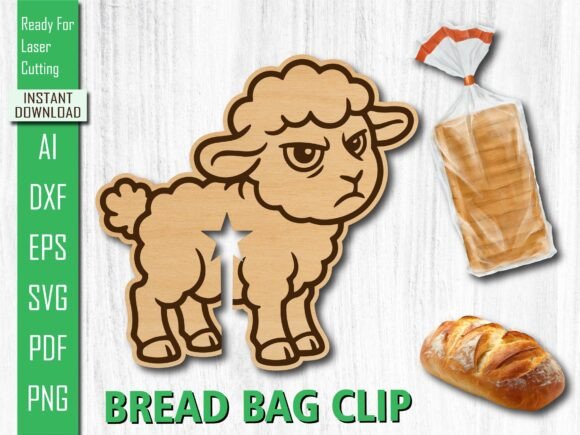
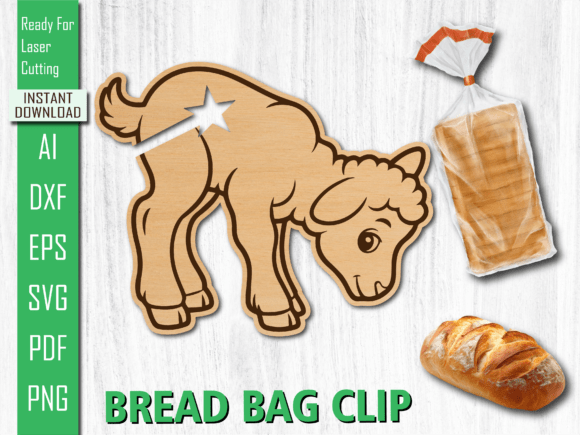
As a designer who has spent years navigating the intersection of digital art and physical craft, I often find myself evaluating assets not just for their aesthetic appeal, but for their potential to translate into a tangible, high-quality finished product. When I first encountered the Animal Laser Cut Sheep Bread Bag Clip, my initial reaction was one of genuine amusement. It is rare to find a design that so perfectly balances utility with a whimsical personality. While this specific asset is categorized under Laser Cutting and intended for CNC machines, the visual language it speaks is one that resonates deeply with the embroidery community as well. Today, I want to walk you through how this playful concept could be adapted or inspired within an embroidery workflow, particularly for those of us running small shops or creating personalized gifts.
The First Impression: Humor Meets Functionality
The mood created by the sheep bread clip design is immediately lighthearted and inviting. In the world of kitchen organization, we often see sterile, purely functional items. This design breaks that mold by introducing a character—a sheep—that feels both cute and slightly cheeky. For an embroidery designer, the shape and layout suggest a strong silhouette. If we were to translate this into a machine embroidery design, the focus would naturally fall on clean lines and bold outlines to maintain that cartoonish charm.
When I visualize this on a fabric surface, I am thinking about the texture of the wool. A skilled embroiderer would likely utilize a dense fill stitch to mimic the fluffy texture of the sheep's fleece, perhaps contrasting it with a smooth satin stitch for the face and legs. The visual personality here is distinct; it screams "gift" rather than "industrial tool." This makes it an excellent candidate for custom apparel or home decor items where the goal is to spark a smile upon opening a package.
Real-World Application in Embroidery Projects
Let's imagine a real-life scenario. You are preparing a line of holiday gifts for your Etsy shop, specifically focusing on kitchen essentials. You decide to create a set of embroidered tea towels featuring this sheep motif. As you prepare the embroidery file, you consider how the design will sit on the fabric. The sheep's rounded form works beautifully on a straight hem of a kitchen towel or centered on a cotton apron pocket.
I have seen similar animal motifs perform exceptionally well on tote bag designs. Imagine a sturdy canvas tote with this sheep stitched in vibrant thread colors—perhaps a soft grey for the wool and a pop of red for the nose. Customers looking for a personalized gift for a baker or a cooking enthusiast would likely engage with this product immediately. The humor adds value beyond the utility of the bag itself. Similarly, for baby embroidery projects, such as a onesie or a nursery pillow cover, the gentle nature of the sheep fits the demographic perfectly, provided the stitching is secure and free of sharp edges.
For the Etsy seller or small business owner, this type of design asset can become a cornerstone of a brand identity. If you are selling handmade products at craft fairs, having a recognizable character like this on your merchandise helps build brand consistency. Whether it is on a cap, a sweatshirt, or a patch, the design maintains its recognition. It transforms a standard garment into a conversation starter, which is crucial for buyer engagement in a crowded marketplace.
Navigating Challenges: Where Caution is Required
While the concept is delightful, translating a laser-cut vector shape into a stitched design requires careful consideration of technical limitations. One area where you must exercise caution is with small hoop sizes. If you attempt to shrink this design too much to fit a 4x4 hoop, you risk losing the defining features of the sheep's face. The eyes and mouth need enough space to remain legible after stitching.
Fabric choice is equally critical. On textured fabrics like heavy denim or thick terry cloth, the fine details of the sheep's expression might get lost in the weave. Conversely, on thin fabric or stretchy materials like jersey knit, the stitch density must be managed carefully to prevent puckering. If you are working on dark fabric, ensure that the thread colors offer sufficient contrast; a white sheep on black denim looks striking, but only if the fill stitch is tight enough to show no gaps.
Another consideration is the frequency of washing. Kitchen items like bread bags (if made of fabric) or aprons undergo rigorous cleaning cycles. Dense fill stitch areas can sometimes trap detergent or lint over time. As a professional reviewer, I always advise testing the design on scrap fabric first to see how the threads hold up after several washes. Additionally, avoid placing the design on curved surfaces like caps unless you have adjusted the digitizing to account for the curvature, otherwise, the flat geometry of the sheep may distort.
Designer Notes for Professional Execution
To ensure your project succeeds, follow these practical steps before committing to a full production run:
- Test on Scrap Fabric: Always run a test stitch on the exact material you plan to use. Check for puckering and alignment.
- Review Stitch Density: Ensure the fill stitches are not too sparse, which shows the backing, nor too dense, which stiffens the fabric.
- Confirm Hoop Size: Verify that the design fits comfortably within your machine's hoop without cutting off any parts of the sheep.
- Check Thread Colors: Use a printable mockup to compare light and dark fabric backgrounds against your chosen palette.
- Use Proper Stabilizer: For items like aprons or tote bags, a tear-away or cut-away stabilizer is essential to support the weight of the design.
- Inspect Small Details: Zoom in on the eyes and nose to ensure they are not becoming muddy blobs due to excessive satin stitching.
- Verify Licensing: Before selling finished products or offering this as a digital embroidery file, confirm the license terms allow for commercial use.
The Animal Laser Cut Sheep Bread Bag Clip offers a fantastic starting point for creative entrepreneurs. Even though it originates from the realm of Laser Cutting and Other Art Amp categories, its underlying graphic strength makes it adaptable. By understanding the nuances of commercial embroidery and applying sound design judgment, you can turn this humorous concept into a profitable and beloved addition to your product line. Whether you are making a holiday embroidery special or expanding your catalog of design assets, remember that the best projects are those where the design serves the function while delighting the user.