Laser Cut Happy Dancing Cow Bread Clip Review
As a designer who has spent years navigating the fine line between whimsical concepts and functional merchandise, I approach every new asset with a critical eye. When I first encountered the Laser Cut Happy Dancing Cow Bread Clip, my immediate reaction was one of amusement followed by a practical assessment of its potential in the maker community. While this specific design is categorized under Laser Cutting and falls within the Other Art Amp collection, its visual language offers profound insights for those of us working in machine embroidery design. The concept of a dancing cow is inherently playful, but translating that energy into a tangible product requires careful consideration of how the design interacts with fabric, thread, and the end-user experience.
The Mood and Visual Personality of the Design
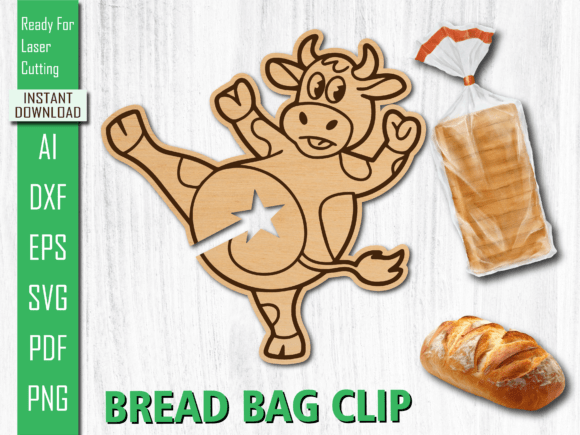
The Laser Cut Happy Dancing Cow Bread Clip exudes a distinct personality that is both chaotic and charming. In the world of digital embroidery file creation or physical crafting, a design needs to communicate its purpose instantly. This cow does exactly that. The dynamic pose suggests movement, breaking away from the static nature of traditional kitchen accessories. For an Etsy seller or a small shop product creator, this kind of visual storytelling is invaluable. It transforms a mundane item—a bread clip—into a conversation starter.
However, when evaluating this for adaptation into an embroidery project, we must look at the line work and silhouette. The joyous expression and the "dancing" stance rely on clean curves and defined shapes. If you were to convert this aesthetic into a tote bag design or an embroidered patch, the success would depend heavily on maintaining that sense of motion without cluttering the stitch count. The humor is the selling point, but the execution determines whether it feels like a premium handmade product or a rushed craft fair item.
Real-World Application: From Kitchen to Apparel
Let's imagine a real-life scenario where I am preparing a custom order for a boutique client who wants to add a quirky touch to their custom apparel line. They are looking for something unique for a summer festival collection. Instead of just using the bread clip as a standalone item, I envision adapting the spirit of the Laser Cut Happy Dancing Cow Bread Clip into a sweatshirt embroidery motif. Placing this design on the pocket of a heavy cotton hoodie would create an instant focal point. The contrast between the casual wear and the absurdity of a dancing cow creates a memorable brand moment.
Alternatively, consider the holiday embroidery market. A personalized apron featuring this cow could be a hit for gift-giving during the holidays. The design fits perfectly into the category of personalized gifts that feel thoughtful yet lighthearted. If I were creating a baby embroidery set, perhaps for a nursery theme, the playful nature of the cow could be softened slightly to fit a "farm fun" motif on a pillow cover or a blanket. The key is understanding that while the original is a Laser Cutting product, the emotional resonance translates beautifully to textile applications if the scale and density are managed correctly.
Navigating Technical Challenges in Embroidery
While the concept is strong, moving from a laser-cut shape to a stitched masterpiece introduces specific challenges. One of the primary concerns with a design like the Laser Cut Happy Dancing Cow Bread Clip is the detail level relative to the hoop size. The cow's limbs and facial features require precision. If you attempt to stitch this on a small hoop, say 4x4 inches, the intricate details might get lost in the fill stitch or become muddy due to high stitch density.
Furthermore, the choice of fabric texture is crucial. On a smooth canvas tote bag, the running stitch outlining the cow's movement will pop. However, on textured fabrics like fleece or heavy denim, the definition of the dance moves could blur. You must also consider thread colors. A black outline on a dark fabric background would fail to convey the humor intended. To ensure the design works for commercial embroidery, testing on scrap fabric is non-negotiable. Check the stabilizer requirements; a design with so much movement might need a cut-away stabilizer to prevent puckering, especially on stretchy materials used for apparel decorators.
Where Caution Is Required
- Small Hoop Sizes: Avoid shrinking the design too much, as the "dancing" elements may become indistinguishable blobs of thread.
- Textured Fabrics: Raised textures can obscure the fine lines needed to define the cow's expression.
- Dark Fabric: Without proper underlay and contrasting thread colors, the design will lack visibility.
- Curved Surfaces: Applying this to caps or hats requires careful digitizing to account for the curve, which can distort the cow's proportions.
- Dense Stitch Areas: Be wary of over-stitching the legs and tail, which could make the finished product stiff and uncomfortable.
Impact on Brand Value and Customer Trust
For a craft business, the quality of your design assets directly impacts customer trust. A well-executed version of the Laser Cut Happy Dancing Cow Bread Clip concept elevates a simple item into a collectible piece. Customers buying finished product items want to see attention to detail. If the stitching is loose or the design looks distorted, it reflects poorly on your professionalism. Conversely, a crisp, vibrant embroidered patch featuring this character builds brand recognition and encourages repeat purchases.
When creating printable mockups to showcase these designs before production, ensure they accurately represent how the applique design or satin stitches will look on the actual material. Buyers need to visualize the final result. If you are selling digital files, clearly state the limitations regarding hoop size and fabric types. Transparency about what makes a good embroidery file versus a bad one establishes you as an authority in the space.
Practical Designer Notes for Implementation
Before committing to a large run of products, always test the design on scrap fabric first. This allows you to adjust the stitch density and verify that the thread colors provide enough contrast. Confirm the hoop size matches your machine's capabilities and the garment's dimensions. Inspect small details like the cow's eyes and hooves to ensure they don't disappear after stitching. Test the design in black and white mockups to check the flow of the lines before adding color.
Compare how the design performs on light and dark fabric backgrounds, as the Laser Cut Happy Dancing Cow Bread Clip relies on clear outlines. Use the proper stabilizer to support the weight of the stitches, particularly if you are working with stretchy fabrics. Finally, confirm licensing before selling finished items or digital products derived from this concept. Whether you are a hobbyist making a personalized gift or a creative entrepreneur scaling a business, respecting the source material ensures long-term success.
In conclusion, while the Laser Cut Happy Dancing Cow Bread Clip is technically a Laser Cutting asset, its creative potential extends far beyond wood or acrylic. With thoughtful adaptation and technical precision, it can become a standout element in your embroidery project portfolio, bringing laughter and charm to kitchens, closets, and gift boxes alike.