Easter Baby Bunny Bread Clip, Laser Cut Review
As a designer who spends countless hours curating assets for both personal projects and client work, I approach every new file with a critical eye. When the Easter Baby Bunny Bread Clip, Laser Cut landed on my desk, my initial reaction was a mix of amusement and professional curiosity. While the product description explicitly mentions this design is perfect for laser cutting and CNC machines, blending everyday practicality with a cheeky sense of humor, my mind immediately drifted to how this aesthetic translates into the world of thread and fabric. The category listing places it under Other Art Amp, but for us in the embroidery community, the question is whether this playful concept can survive the transition from digital vector to stitched reality.
The First Impression: Playful Whimsy Meets Kitchen Utility
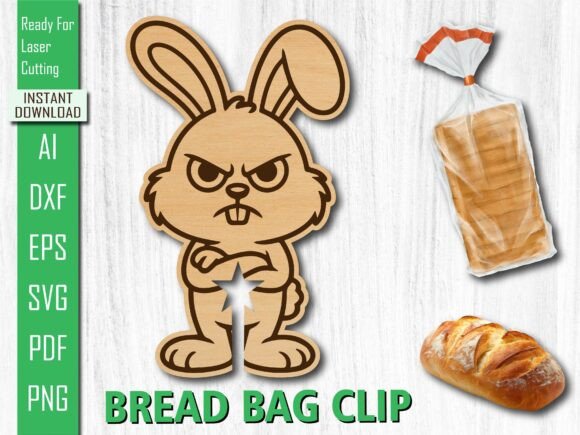
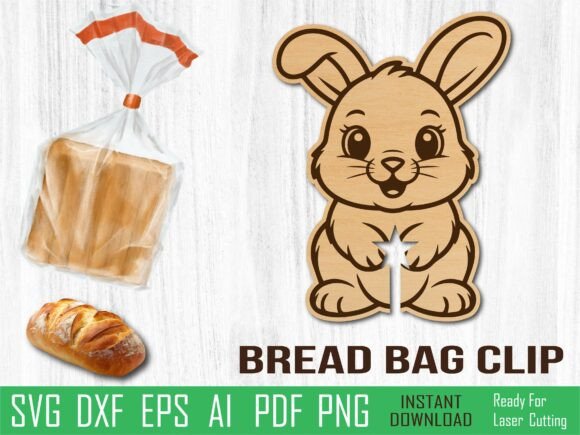
The visual personality of the Easter Baby Bunny Bread Clip, Laser Cut is undeniably charming. It captures that specific mood of springtime whimsy that works exceptionally well for seasonal merchandise. The shape is clean, with distinct curves that suggest a soft, cuddly character rather than something overly geometric. For an embroidery project, this kind of layout is promising because it avoids the trap of being too cluttered. In the realm of machine embroidery design, simplicity often equals success. The bunny's features are defined enough to be recognizable at a glance, which is crucial for items like bread clips where the viewing distance is close but fleeting.
However, there is a nuance here. Because the original intent is for Laser Cutting, the lines are likely optimized for sharp edges and material removal. When we translate this to thread, we have to consider how those hard edges will look when rendered in satin stitch or fill stitch. A laser-cut piece relies on the material itself for definition, whereas embroidery relies on thread density and tension. The "cheeky" aspect mentioned in the description suggests a fun expression, perhaps a wink or a playful pose. This kind of character detail needs careful handling to ensure it doesn't get lost in the stitching process.
A Real-World Scenario: The Custom Tote Bag Challenge
Let me walk you through a real-life scenario where I would test this asset. Imagine I am preparing a limited run of custom tote bags for a local boutique's Easter collection. These aren't just generic bags; they are premium canvas totes intended as personalized gifts for customers who love quirky kitchen decor. I decide to use the Easter Baby Bunny Bread Clip, Laser Cut as the central motif for the front panel.
In this context, the design needs to pop against the natural beige of the canvas. I visualize the bunny holding a loaf of bread, a classic trope that fits the "bread clip" theme perfectly. As I set up the hoop, I realize the placement is critical. If I center it too low, it might get caught in the bag's fold. If I place it too high, it looks awkward. The hoop size becomes a major factor here. Since this is a tote bag, I need a large enough hoop to capture the entire design without distorting the proportions. If the design is too small, the intricate details of the bunny's face might become muddy due to stitch density issues. Conversely, if I scale it up too much without adjusting the stitch count, the gaps between stitches could show through the fabric.
Once stitched, the result on the tote bag is delightful. The texture of the canvas interacts beautifully with the thread, giving the bunny a tactile quality that a flat laser-cut acrylic piece simply cannot achieve. Customers picking up these bags react positively to the 3D effect of the embroidery. It feels more substantial, more "handmade," and significantly increases the perceived value of the finished product. This is exactly why understanding the translation from digital file to physical thread is so vital for any Etsy seller or small shop owner.
Navigating Fabric Textures and Technical Limitations
While the design performs admirably on sturdy cotton canvas, we must discuss where caution is required. The Easter Baby Bunny Bread Clip, Laser Cut features curves and potentially small details that can be tricky on certain materials. If you attempt to embroider this on thin or stretchy fabric, such as a jersey t-shirt or a delicate baby onesie, you risk puckering. The stabilizer choice becomes non-negotiable here. You cannot skip the backing; otherwise, the fill stitch areas will pull the fabric, ruining the smooth look of the bunny's ears and body.
Furthermore, consider the application on dark fabrics. The design's charm relies on its lightness and clarity. On a black sweatshirt, you would need to use a white underlay or a dense fill to prevent the dark fabric from showing through the lighter thread colors. Without proper planning, the thread colors might appear dull or muddied. Additionally, curved surfaces like caps present their own challenges. The bunny's rounded head might distort if not properly compensated for in the digitizing process. Always test the design on scrap fabric first to see how the machine handles the curves before committing to your actual custom apparel.
Strategic Use for Craft Businesses and Holiday Collections
For those running a craft business, the Easter Baby Bunny Bread Clip, Laser Cut offers a versatile foundation for holiday-themed collections. Beyond tote bags, this design is excellent for kitchen towels, aprons, and even pillow covers. The "kitchen organization" angle mentioned in the product description aligns perfectly with home goods. Imagine a set of matching tea towels featuring the bunny, paired with a laser-cut wooden bread clip—this creates a cohesive brand story that appeals to gift buyers.
However, remember that while the source file is categorized under Laser Cutting, using it for commercial embroidery requires you to verify the licensing terms. Ensure you have the right to sell finished embroidered items if you plan to list them on Etsy or at craft fairs. Some files are strictly for personal use, while others allow for commercial resale. Never assume; always check the license agreement to protect your business.
Final Designer Notes for Success
To get the most out of this design, I recommend creating a printable mockup first. Print the design at the exact size you intend to embroider it and tape it onto the fabric. This helps you visualize the scale and ensures the bunny fits the garment correctly. Check the contrast between the design and the fabric color. If you are working with a complex patterned background, a solid block of color behind the embroidery might be necessary to make the image stand out.
Also, pay attention to the running stitch outlines. In laser cutting, these lines define the cut path. In embroidery, they define the edge. If the stitch count is too low, the edges may look jagged. If you find the details are too fine for your machine, consider simplifying the design slightly by removing tiny elements that won't stitch cleanly. Finally, always test wash your sample. Does the embroidered patch hold up? Does the thread fade? These steps ensure that your digital product translates into a durable, high-quality item that customers will trust and love.
The Easter Baby Bunny Bread Clip, Laser Cut is a delightful asset that bridges the gap between functional kitchenware and festive decoration. With the right preparation and technical know-how, it can elevate your embroidery project from a simple decoration to a standout piece of seasonal merchandise.