Lase Cut Running Corgi Bread Clip Crafts Review
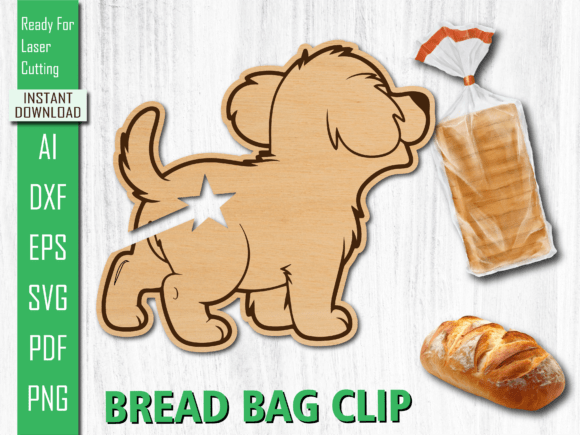
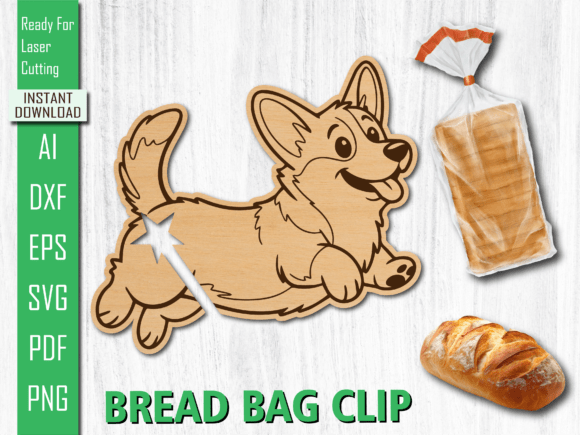
As a designer who has spent years navigating the intersection of digital assets and physical production, I approach every new file with a critical eye. When I first encountered the Lase Cut Running Corgi Bread Clip Crafts, my initial reaction was a mix of amusement and professional curiosity. The concept is undeniably charming: a running corgi, a breed beloved for its short legs and long body, transformed into a functional kitchen tool. While the product description explicitly states this design is made for Laser Cutting and CNC machines to create physical bread clips, the visual language of the artwork offers profound insights for us in the embroidery world. It serves as a perfect case study on how a flat, vector-based illustration translates—or fails to translate—into a textured, stitched reality.
The Visual Personality of a Running Corgi
The mood created by the Lase Cut Running Corgi Bread Clip Crafts is one of whimsical utility. In the realm of machine embroidery design, we often struggle to find motifs that balance humor with high-quality execution. This design succeeds visually because the silhouette of the running dog is distinct. The elongated torso and the specific posture of the legs provide clear lines that are essential for any good embroidery file. However, when I mentally map this onto a fabric surface, I immediately begin assessing the stitch density required to capture that sense of motion without creating a muddy mess.
For a craft business owner or an Etsy seller looking to expand their catalog beyond standard apparel, this type of character-driven design is gold. But it requires careful handling. If you were to attempt turning this into an embroidered patch or a decorative element on a kitchen towel, the "running" aspect needs to be preserved through clean satin stitches for the outline and a tight fill stitch for the body. The challenge lies in the tail and the ears; these are small details that can easily get lost if the hoop size is too large relative to the design scale, or if the thread colors chosen lack sufficient contrast against the background fabric.
From Laser Cut Vector to Stitched Reality
Let's imagine a real-life scenario: You are preparing a line of personalized kitchen gifts for the holiday season. You want to create custom aprons or tea towels featuring this playful corgi. The Lase Cut Running Corgi Bread Clip Crafts design provides the artistic blueprint, but the execution is where your expertise matters. Unlike a laser-cut piece which relies on the precision of the machine blade, embroidery relies on the interplay of thread tension and fabric stability.
If I were to adapt this for a tote bag design, I would need to consider the texture of the canvas. A rougher fabric texture might obscure the finer lines of the corgi's face. In such cases, increasing the stitch density slightly could help, but one must be wary of puckering. For a sweatshirt embroidery project, the stretch of the material demands a robust stabilizer. Without it, the dynamic pose of the running dog could warp, losing the comedic timing that makes the design effective. The transition from a rigid laser-cut object to a soft, flexible embroidered item changes the entire user experience. A customer holding a finished product will feel the dimensionality of the thread, adding a tactile warmth that a plastic clip simply cannot offer.
Navigating Fabric Challenges and Design Limits
There are specific areas where this design requires caution. Small hoop sizes are a common pitfall. If you try to shrink the Lase Cut Running Corgi Bread Clip Crafts to fit a 4x4 inch hoop, the details of the paws and the snout may become indistinguishable blobs of thread. Similarly, on dark fabrics, the white or light-colored thread needed for the corgi might show bleed-through if the stabilizer isn't heavy enough. This is a critical consideration for commercial embroidery where consistency across dozens of items is non-negotiable.
Furthermore, curved surfaces like caps present a unique challenge. The flat geometry of the original design might not conform well to the curve of a baseball cap without significant digitization adjustments. The "running" motion implies forward momentum, which can look awkward if the design is distorted by the cap's shape. For baby embroidery or nursery decor, safety is paramount; ensure there are no loose threads or sharp points in the digitized version that could irritate sensitive skin. Always test the design on scrap fabric first. Check the thread colors in person, not just on a screen, to ensure they pop against your chosen material.
Enhancing Product Value and Brand Consistency
When used correctly, a design like this significantly boosts the perceived value of a handmade product. Customers buying from a small shop product lineup are often looking for personality. A generic logo feels corporate, but a running corgi tells a story. It suggests that the maker has taste and understands the joy of everyday objects. This builds customer trust and brand recognition. Whether you are selling a personalized gift at a craft fair or listing it on Etsy, the visual appeal drives engagement.
However, remember that while the source inspiration comes from the Other Art Amp category and is intended for Laser Cutting, adapting it for embroidery transforms it into a completely different asset. You are essentially reinterpreting the design. This allows for creative freedom. You could use a running stitch effect to mimic the motion of the legs, or perhaps add an applique design layer for the corgi's body to give it more depth. These choices define the professionalism of your finished product.
Practical Notes for the Digital Designer
Before committing to a full production run, I strongly advise creating a printable mockup to visualize the scale. Compare how the design looks on both light and dark fabric backgrounds. Does the humor translate? Is the corgi recognizable at a glance? If you plan to sell the digital embroidery file itself, you must confirm the licensing terms of the original Lase Cut Running Corgi Bread Clip Crafts asset. Many designs sold for laser cutting do not automatically grant rights for commercial embroidery reproduction.
In conclusion, the Lase Cut Running Corgi Bread Clip Crafts offers a delightful starting point for creative entrepreneurs. It captures a moment of joy that resonates with pet lovers and kitchen enthusiasts alike. By applying rigorous design judgment—checking stitch counts, testing stabilizers, and respecting the limitations of different fabrics—you can transform this digital concept into a tangible, high-quality custom apparel or home decor item. The key is to respect the original art while embracing the unique capabilities of the embroidery medium. With the right execution, this playful design can become a signature piece in your portfolio, proving that even a simple bread clip concept can inspire exceptional textile art.