Funny Geometric Shape Characters Composi Review
As a designer who has spent years translating digital art into tangible stitched goods, I approach every new asset with a mix of excitement and skepticism. When I first opened the Funny Geometric Shape Characters Composi, my immediate reaction was one of playful curiosity. This isn't your standard floral motif or a rigid corporate logo; it is a lively stack of abstract figures that feels ready to jump off the screen. For anyone running a craft business or looking to add personality to their handmade product line, this piece of Graphics offers a distinct visual language. However, before I recommend putting this on a commercial embroidery project, we need to dig deeper into how these shapes actually behave when converted from a flat image into a complex machine embroidery design.
The Visual Mood and Design Personality
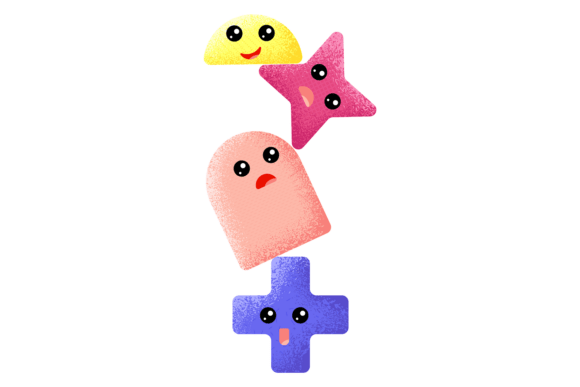
The composition immediately establishes a whimsical, modern tone. The stacking of geometric forms creates a sense of movement and balance that is rare in static illustrations. In the world of Illustrations, this kind of abstract figure stack works beautifully because it relies on form rather than intricate detail. There are no tiny, fragile lines that might get lost in translation. Instead, you have bold outlines and solid blocks of color that scream "modern boutique." This makes me think instantly of custom apparel for a trendy urban shop or perhaps a unique nursery decor item for a parent who appreciates contemporary art.
When I visualize this as an embroidered patch, the clean lines suggest it would hold up well against the texture of denim or canvas. The lack of hyper-realism means there is less pressure on the stitching to achieve perfection, which is a relief for small shop owners managing tight deadlines. It feels like a design that invites customization, allowing you to play with thread colors to match specific brand palettes while maintaining the core character of the original artwork.
Real-World Application: From Screen to Stitch
Let's talk about a real scenario. Imagine you are preparing a limited run of custom tote bags for an upcoming craft fair. You want something that stands out in a sea of generic slogans. Using Funny Geometric Shape Characters Composi on a sturdy cotton canvas tote bag could be a game-changer. The bold geometry translates well into fill stitch areas, creating a textured look that customers love to touch. Unlike delicate floral patterns that require high precision, these shapes can handle a slightly looser stitch density without losing their identity.
I also see great potential here for sweatshirt embroidery. Placing this composition on the back of a heavyweight hoodie gives it a streetwear vibe. Because the design is isolated on a white background in its source files, it is relatively easy to adapt for dark fabrics by simply adjusting the underlay and using bright, contrasting thread colors. For an Etsy seller, this versatility is key. You aren't locked into just one fabric type; you can pivot quickly between baby clothes, aprons, and pillow covers depending on what is selling best that season.
However, the transition from a digital file to a finished product requires careful planning. If you are considering this for a holiday gift set, such as personalized tea towels or blanket corners, the cheerful nature of the characters fits perfectly. It adds a layer of fun that elevates a simple kitchen textile into a conversation starter. But remember, the success of the project depends entirely on how well you digitize or convert the file. The source formats mentioned—EPS, JPG, SVG, and transparent PNG—are excellent for layout and mockups, but they are not native machine embroidery files. You will need to ensure you have a proper digital embroidery file (like .PES, .DST, or .JEF) generated from these assets before you even think about hooping.
Navigating Technical Challenges and Fabric Choices
While the design is robust, it is not immune to the common pitfalls of embroidery. One area where you must exercise caution is with thin or stretchy fabrics. The stacked nature of the characters means there are several distinct layers of stitching. On a lightweight t-shirt or a jersey knit, the weight of the thread could cause puckering if you do not use the correct stabilizer. Always test the design on scrap fabric first. Check the tension and ensure the stabilizer is strong enough to support the stitch density required to fill those geometric shapes without distorting the fabric underneath.
Another consideration is the hoop size. While the individual shapes are manageable, the full composition might be too large for a 4x4 inch hoop. If you are working on curved surfaces like caps, you may need to break the design down into smaller sections or resize it carefully. Resizing too much can alter the proportions of the stacked figures, making them look squashed or stretched. It is crucial to confirm the hoop size requirements before committing to a production run. Additionally, if you plan to use this on dark fabric, the underlay becomes critical. Without a solid underlay, the vibrant colors of the geometric shapes might appear dull or muddy against the dark background.
For products that undergo frequent washing, such as baby clothes or kitchen aprons, the durability of the stitch work is paramount. Ensure that the digitization includes proper lock stitches at the beginning and end of each block. A loose thread on a playful design like this can ruin the professional finish of a handmade product. Also, consider the placement. On a cap, the curve can distort the straight lines of the geometry. On a flat pillow cover, the design will shine. Always review your printable mockup to visualize how the design sits on the actual product before cutting any threads.
Strategic Advice for Commercial Success
If you are a creative entrepreneur looking to build a brand around this style, consistency is everything. Funny Geometric Shape Characters Composi offers a cohesive aesthetic that can define your entire collection. Use it across different items—embroidered patches, tote bags, and hats—to create a recognizable look for your small shop. Customers often return to shops that have a distinct visual identity, and this design provides exactly that.
Before launching a commercial embroidery project, always verify the licensing terms. Just because you have the graphics does not automatically mean you can sell the finished physical goods or the digital files themselves. Read the license agreement carefully to ensure you are covered for commercial use. If you are selling the designs as part of a digital product bundle, make sure you have the right to redistribute them.
Finally, trust your eyes. Test the design in black and white to check contrast, then move to full color. Compare how it looks on light versus dark backgrounds. Does the personality of the characters come through? Do the shapes feel balanced? If the answer is yes, then you have a winner. This composition is more than just a pretty picture; it is a versatile tool for designers who want to bring humor and modern flair to their embroidery project. With the right preparation and attention to technical details, it can become a staple in your portfolio, driving engagement and sales for your handmade business.