Valentine Gnome Bread Clip, Laser Cut Review
As a designer who has spent years navigating the intersection of digital assets and physical craftsmanship, I approach every new file with a critical eye. The market is flooded with generic patterns, but finding a design that balances whimsy with structural integrity is rare. Recently, I evaluated the Valentine Gnome Bread Clip, Laser Cut, a design marketed for its humorous take on kitchen organization. While the product description explicitly highlights its suitability for laser cutting and CNC machines, my perspective shifts when considering how this aesthetic translates into the realm of textile arts. For the savvy Etsy seller or small business owner looking to diversify their catalog, understanding the adaptability of such a character-driven design is crucial before committing to production.
The Visual Personality and First Impressions
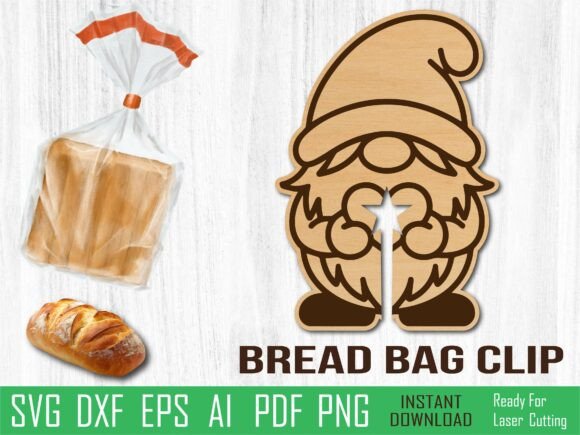
At first glance, the Valentine Gnome Bread Clip exudes a specific kind of charm that fits perfectly within the Valentine S Day niche. The gnome motif is inherently playful, characterized by exaggerated features like a large hat, a bushy beard, and a stout body. In a digital preview, the clean lines suggest a high level of detail that could be lost if not executed correctly in thread. The "cheeky sense of humor" mentioned in the product brief comes through in the gnome's expression, which feels less like a traditional romantic symbol and more like a modern, tongue-in-cheek nod to domestic life.
For a designer, the mood here is cozy yet functional. It screams "kitchen decor," making it an ideal candidate for items like aprons, tea towels, or even personalized kitchen bags. However, because the original format is intended for Laser Cutting, the silhouette relies heavily on bold outlines and distinct negative space. When translating this to a machine embroidery design, the challenge lies in maintaining that crisp definition without creating a muddy texture. The layout is compact, which is excellent for smaller applications, but it demands precision in digitization to ensure the gnome's features remain recognizable at reduced scales.
Translating the Design for Real-World Projects
Let’s imagine a real-life scenario: You are preparing a line of custom holiday gifts for your boutique shop. You decide to create a series of embroidered tote bags featuring the Valentine Gnome. The goal is to offer a unique alternative to standard heart-and-arrow designs. As you load the embroidery file into your machine, you must consider how the gnome's hat and beard will render in thread. Unlike a flat vector cut, embroidery adds dimension. A well-executed fill stitch in the beard area can mimic the texture of fur, while satin stitch along the edges of the hat brim can provide that necessary sharpness found in the laser-cut version.
This design shines when applied to sturdy fabrics. Picture a heavy-duty canvas tote bag or a thick cotton apron. The density of the fabric supports the weight of the stitches, allowing the gnome to pop off the surface. For a custom apparel project, such as a sweatshirt, the design would likely need to be placed on the chest or sleeve. The scale is perfect for a pocket-sized emblem, offering a subtle touch of personality rather than an overwhelming graphic. If you are targeting the baby market, perhaps adapting the colors for a nursery theme, the softness of the gnome makes it a gentle choice for baby embroidery on onesies or blankets, provided the stitch count is low enough to prevent stiffness.
However, the transition from a 2D cut file to a 3D stitched object requires careful thought about stitch density. If the original design includes intricate details in the gnome's face or accessories, these might get lost if the digitizer packs too many stitches into a small area. The result could be a puckered mess on delicate materials. Therefore, treating this as a digital product asset means advising clients to test the file on scrap fabric first. This step is non-negotiable for ensuring the final finished product maintains the professional look required for commercial sale.
Navigating Fabric Challenges and Technical Constraints
Not all projects are created equal, and the Valentine Gnome Bread Clip design requires strategic placement to avoid common pitfalls. If you attempt to embroider this on thin or stretchy fabric, such as a jersey t-shirt, the tension from the dense areas of the beard or hat could cause the fabric to pucker severely. In such cases, using a tear-away or cut-away stabilizer becomes essential to maintain the integrity of the garment. Similarly, on dark fabrics, the contrast of the thread colors must be carefully selected. A light-colored gnome on a black background needs bright, vibrant threads to stand out, whereas a white background allows for softer pastels often associated with Valentine themes.
Curved surfaces present another hurdle. Attempting to place this design on a cap or a curved pillow cover can distort the gnome's proportions. The straight lines of the bread clip mechanism, if included in the embroidery, might not follow the curve of the fabric naturally, leading to uneven stitching. It is generally safer to use this design on flat surfaces like tote bags, pillow covers, or the front panel of a hoodie. Furthermore, products that require frequent washing, like dish towels, need a design with secure anchoring points. If the running stitch outlining the gnome is too loose, repeated laundering could cause fraying or thread loss.
Strategic Value for Craft Entrepreneurs
For the small shop product creator, the value of the Valentine Gnome lies in its versatility and emotional appeal. It bridges the gap between a functional item and a decorative piece. Customers browsing your Etsy listings are often looking for something that sparks joy. A bread clip is utilitarian, but a bread clip featuring a smiling gnome tells a story. When adapted into an embroidered patch or a direct-to-garment application, it elevates the perceived value of the item. It transforms a simple kitchen tool into a collectible piece of art.
From a branding perspective, consistency is key. If your brand focuses on handmade, rustic, or whimsical goods, this design aligns perfectly. It reinforces a narrative of warmth and humor. However, you must ensure that the execution matches the quality of your other offerings. A poorly stitched gnome can damage customer trust just as quickly as a great one builds it. Always review printable mockups to visualize how the colors interact with different fabric textures before starting the actual embroidery project.
Essential Designer Notes for Success
Before integrating the Valentine Gnome Bread Clip into your workflow, there are several practical steps to take. First, verify the licensing terms. Since this is originally a Laser Cutting design, you must confirm if the license allows for reproduction via embroidery for commercial sale. Many digital assets have strict rules regarding cross-medium usage. Second, always test the design on a piece of scrap fabric that matches your final material. Check the hoop size requirements; if the design is too large for your hoop, you may need to split it into sections, which can affect the seamlessness of the image.
Pay close attention to the thread colors. The original design might rely on solid blocks of color typical of wood or acrylic cuts. In embroidery, you have the option to add shading or gradients to give the gnome depth. Experiment with different combinations to see what creates the most engaging visual impact. Finally, inspect the small details. Are the eyes clear? Is the smile distinct? If the digitization is too dense, simplify the pattern to ensure clarity. By taking these precautions, you ensure that the Valentine Gnome Bread Clip becomes a standout addition to your portfolio, delighting customers with its charm and quality.