Funny Rabbit Tic Tac Toe Puzzle Game Review
As a designer who has spent years navigating the intersection of digital graphics and physical textile production, I approach every new asset with a critical eye. The latest addition to my library, the Funny Rabbit Tic Tac Toe Puzzle Game, initially caught my attention for its playful theme. However, before integrating any graphic into a real-world embroidery project, I need to understand how it translates from a screen to a stitched surface. While this product is marketed primarily as a Laser Engraving file within the Graphics category, the visual language of the design begs the question: could this work as a high-quality machine embroidery design?
First Impressions: Visual Weight and Character
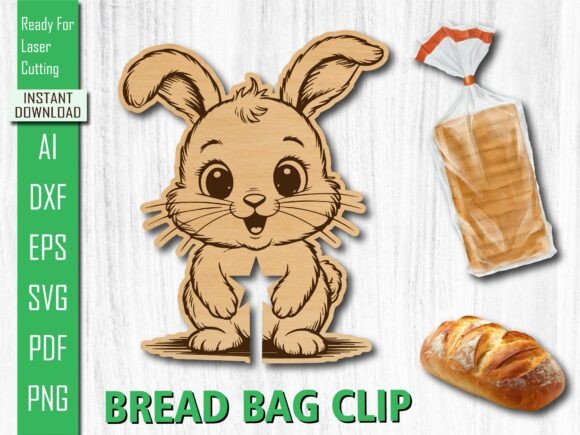
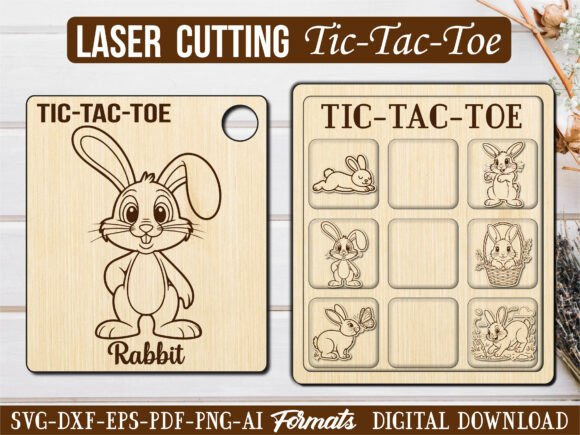
The first thing that strikes me about the Funny Rabbit Tic Tac Toe Puzzle Game is its charm. The concept of combining a classic game board with a whimsical rabbit character creates an immediate emotional connection. For a small shop product or a personalized gift, this kind of character-driven layout is gold. The layout appears balanced, with the grid lines providing structure while the rabbit adds a focal point of personality.
However, when I zoom in to evaluate the line weights and corner details, I start thinking like an embroiderer. In laser cutting, sharp 90-degree angles are standard. In embroidery, those same sharp corners can be tricky. If I were to convert this digital embroidery file concept into a stitch-out, I would worry about the density required to keep the grid lines distinct without bunching up the fabric. The mood is undeniably lighthearted and perfect for kids' games or home décor, but the execution relies heavily on how well the software handles the transition from vector lines to satin or fill stitches.
Testing the Design in Real-Life Scenarios
To truly judge the viability of the Funny Rabbit Tic Tac Toe Puzzle Game, I visualize it on a custom embroidered tote bag. Imagine a sturdy canvas bag, perhaps for a craft fair booth or a boutique merchandise item. The rabbit's face would serve as a delightful logo, while the tic-tac-toe grid could be stitched in a contrasting color to pop against the background.
In this scenario, the design works beautifully as a tote bag design. The scale allows for enough room to manage the stitch density effectively. The rabbit's features, if simplified slightly for stitching, would maintain their cute appeal even from a distance. This makes it an excellent candidate for custom apparel where visibility matters. Alternatively, picture this on a baby onesie or a nursery pillow cover. The "Funny Rabbit" element appeals directly to parents looking for unique baby embroidery options. It feels less generic than standard animal prints because of the interactive game element.
For an Etsy seller or a creative entrepreneur, this design offers versatility. It could be used to create an embroidered patch that customers can iron onto denim jackets or backpacks. The square format of the tic-tac-toe board lends itself perfectly to patch shapes, creating a finished product that looks professional and cohesive. Even as a holiday embroidery project, perhaps on a festive apron or a kitchen towel, the design holds up. It suggests playfulness and family time, which are strong selling points during the gifting season.
Navigating Technical Challenges and Fabric Choices
Despite its potential, there are specific areas where the Funny Rabbit Tic Tac Toe Puzzle Game requires careful handling. If you attempt to use this design on textured fabrics like corduroy or heavy denim, the fine details of the grid might get lost in the weave. Similarly, on stretchy fabrics like jersey knit, the tension needed to hold the shape of the rabbit's ears could cause puckering if not managed correctly.
One major consideration is the hoop size. A full tic-tac-toe board with a detailed character likely requires a medium to large hoop. Trying to squeeze this into a small 4x4 inch hoop would compromise the clarity of the letters or symbols (X and O) and the facial features of the rabbit. If you are working with curved surfaces like caps, the flat geometry of the game board might distort unless the design is specifically digitized for that curvature.
Dark fabrics present another challenge. To make the white or light-colored grid lines stand out against black or navy material, you would need a significant amount of underlay and potentially a dense fill stitch. Without proper stabilizer, the design could sink into the fibers, losing its crisp definition. I always advise checking thread colors beforehand; a low-contrast combination could render the game unplayable visually, defeating the purpose of the design.
Impact on Brand Value and Customer Trust
Using a design like the Funny Rabbit Tic Tac Toe Puzzle Game elevates the perceived value of a handmade product. It moves beyond simple text monograms into the realm of storytelling. When a customer sees a well-executed version of this design on a sweatshirt or a blanket, they perceive higher craftsmanship. It signals that the maker put thought into the aesthetic, not just the mechanics of stitching.
For commercial embroidery projects, consistency is key. If you are building a brand around fun, family-oriented products, this asset fits perfectly. It enhances buyer engagement because it invites interaction—a customer might actually want to play the game on the item they purchased. This level of engagement builds trust and encourages repeat business. Whether it is a printable mockup used to sell the idea or the actual finished product, the design assets must look flawless to maintain professionalism.
Practical Designer Notes for Implementation
Before committing to a final run, I recommend testing the Funny Rabbit Tic Tac Toe Puzzle Game on scrap fabric first. Check the stitch count and ensure the running stitch outlines are smooth. Inspect the small details, particularly the rabbit's eyes and the grid intersections, to ensure they don't merge into a solid blob of thread. Test it in black and white mockups to see how the contrast works before spending expensive thread.
Always confirm the licensing terms before selling finished items. Since this originates as a Laser Engraving graphic, you must verify if the license extends to commercial embroidery and resale of physical goods. Do not assume a graphics file automatically grants rights for textile reproduction. Finally, compare the design on both light and dark fabric backgrounds to ensure versatility for your inventory. By taking these steps, you ensure that the Funny Rabbit Tic Tac Toe Puzzle Game becomes a profitable and beautiful addition to your craft business portfolio.