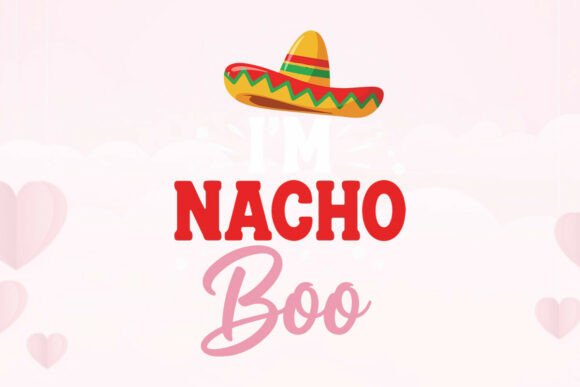
Funny I m Nacho Boo Halloween Sombrero Review
As a designer who has spent years testing machine embroidery designs for both personal hobbies and commercial shop inventory, I approach every new file with a critical eye. The market is flooded with T-Shirt Designs and generic Graphics, but finding a piece that balances humor with technical precision is rare. Today, I am evaluating the "Funny I m Nacho Boo Halloween Sombrero" design to see if it holds up under the scrutiny of real-world stitching. This isn't just about how the digital preview looks on a screen; it is about how the thread behaves, how the motif translates to fabric, and whether this specific embroidery project will sell or sit in a bin gathering dust.
First Impressions: Visual Impact and Theme
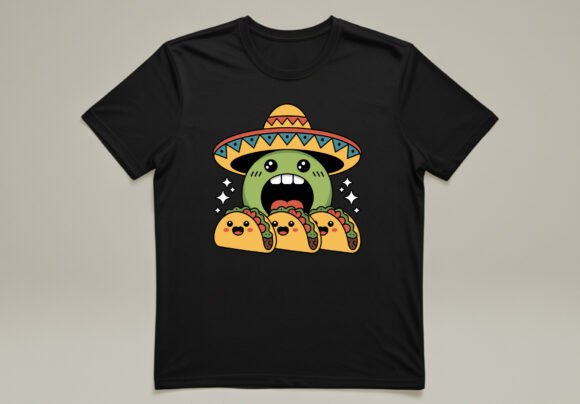
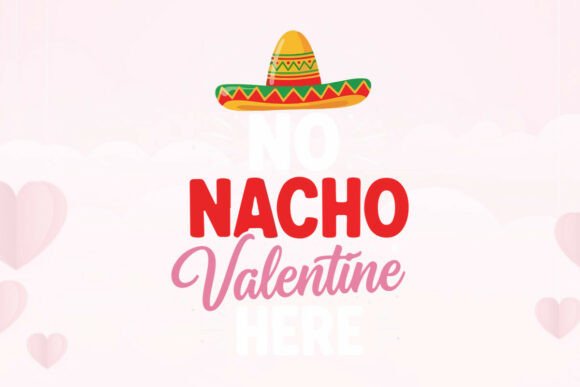
When I first loaded the "Funny I m Nacho Boo Halloween Sombrero" into my digitizing software, the immediate mood was playful yet bold. The concept plays on the popular "Nacho" pun, which is a staple of seasonal humor, but the addition of the sombrero silhouette gives it a distinct character. For a Halloween-themed item, the visual personality needs to be instantly recognizable from a distance. The layout appears balanced, avoiding the common pitfall of overcrowding the design space. However, as an experienced reviewer, I immediately started thinking about stitch types. Does the brim of the hat rely too heavily on fine satin stitch that might pucker on heavy fabrics? Or does it use a robust fill stitch that will stand up to frequent washing?
The color palette suggested by the design feels vibrant, likely utilizing orange, black, and perhaps some festive yellows or greens. In the world of holiday embroidery, high contrast is key. If the thread colors blend too much with the background fabric, the joke gets lost. This design seems to have strong outlines, which is promising for maintaining clarity on darker garments.
A Real-World Scenario: The Custom Tote Bag Test
To truly understand the potential of the "Funny I m Nacho Boo Halloween Sombrero," I imagined using it for a custom embroidered tote bag. Tote bags are a favorite for craft businesses and Etsy sellers because they offer a large, flat canvas that accommodates larger hoop sizes without the distortion found on curved surfaces like caps. Imagine a sturdy cotton canvas bag, perhaps in a deep charcoal or pumpkin orange. Placing this design on the front would create a statement piece perfect for trick-or-treaters or party favors.
In this scenario, the design's scalability becomes crucial. On a tote bag, you want the details to pop. If the "Nacho Boo" text is too small, the running stitch might not define the letters clearly, leading to a muddy appearance. Conversely, if the sombrero graphic is too dense, the thick layers of thread could make the bag stiff and uncomfortable to carry. As a maker, I would test this machine embroidery design on a scrap piece of similar canvas first. I would check the stabilizer requirements; a cutaway stabilizer is usually best for structured items like totes to ensure the stitches lay flat and don't sink into the weave of the fabric.
Navigating Fabric Challenges and Hoop Constraints
While a tote bag is ideal, many designers want to apply this Graphic to other items. Here is where practical judgment comes in. If you attempt to use the "Funny I m Nacho Boo Halloween Sombrero" on stretchy fabrics like jersey knit for a t-shirt, you must be cautious. The tension required for the intricate parts of the hat could cause the fabric to ripple. A tear-away stabilizer might not be enough; a water-soluble topping could be necessary to prevent the fabric from sinking between stitches.
Another consideration is the hoop size. If your embroidery machine only supports a 4x4 inch hoop, you may need to resize the design. Reducing the scale can compromise the integrity of the stitch density. Tiny lettering often suffers when scaled down, turning crisp text into a blob of thread. Before committing to a batch of custom apparel, always print a mockup at the intended size. Check if the sombrero's details remain visible. If the design relies on very thin lines for the face or the brim, these areas might break during stitching on textured fabrics like fleece or denim.
Strategic Placement for Maximum Appeal
- Sweatshirt Embroidery: Perfect for the chest area, provided the design isn't too wide. The soft texture of fleece requires careful tension settings to avoid puckering around the edges of the sombrero.
- Embroidered Patch: This design works exceptionally well as a standalone patch. You can stitch it onto a backing felt and sew it onto jeans, jackets, or backpacks. This method bypasses many fabric issues since the patch is created on a stable base.
- Baby Embroidery: While cute, ensure all threads are secure. Babies chew on everything, and loose ends from complex fill stitches can be a hazard. Simplify the design if necessary for nursery decor.
- Applique Design Potential: If the file includes applique elements, this could elevate the finished product significantly. Using actual fabric for the sombrero adds depth and texture that thread alone cannot achieve.
Commercial Viability and Business Considerations
For the Etsy seller or small shop owner, the "Funny I m Nacho Boo Halloween Sombrero" represents a timely opportunity. Seasonal items drive traffic, but quality drives repeat customers. If you plan to sell finished products featuring this design, you must verify the licensing terms of the digital embroidery file. Many designers restrict the sale of physical goods made from their files unless a commercial license is purchased. Never assume you can sell items made from a personal-use file.
Furthermore, consider the brand consistency. Does this playful, pun-based design fit your shop's aesthetic? If your brand is known for elegant, minimalist home decor, this might clash. However, if you specialize in fun, quirky gifts, it is a perfect addition. The visual appeal directly impacts customer trust. A sloppy stitch job on a popular trend can damage your reputation more than a slow-selling unique item ever could. Always inspect the back of the embroidery; excessive bobbin thread showing through indicates poor digitizing or incorrect tension, which cheapens the look of the handmade product.
Practical Designer Notes for Success
Before you hit the start button on your machine, take these steps to ensure the "Funny I m Nacho Boo Halloween Sombrero" performs flawlessly:
- Test on Scrap Fabric: Never skip this step. Stitch out the design on the exact fabric you intend to use. Check for pulling, skipping, or thread breaks.
- Review Thread Colors: Compare the design colors against your fabric swatches. Ensure there is enough contrast for the text to be legible.
- Check Stitch Density: Zoom in on the digitized file. Areas that are too dense will feel hard and may crack over time. Too sparse, and the fabric shows through unevenly.
- Use Proper Stabilizer: Match the stabilizer weight to the fabric weight. Heavy denim needs heavy support; light linens need lightweight hooping.
- Verify Licensing: Confirm that your usage rights cover the creation of commercial embroidery items if you plan to sell them.
- Create Printable Mockups: Use digital tools to visualize how the design looks on different products before investing in materials.
In conclusion, the "Funny I m Nacho Boo Halloween Sombrero" offers a fun, engaging theme that fits perfectly into the Halloween season. Its success depends entirely on execution. By understanding the limitations of your equipment, choosing the right fabrics, and respecting the technical nuances of machine embroidery, you can turn this digital asset into a high-quality, sellable product. Whether you are making a personalized gift for a friend or stocking shelves for your craft business, attention to detail is what separates a good design from a great one.